

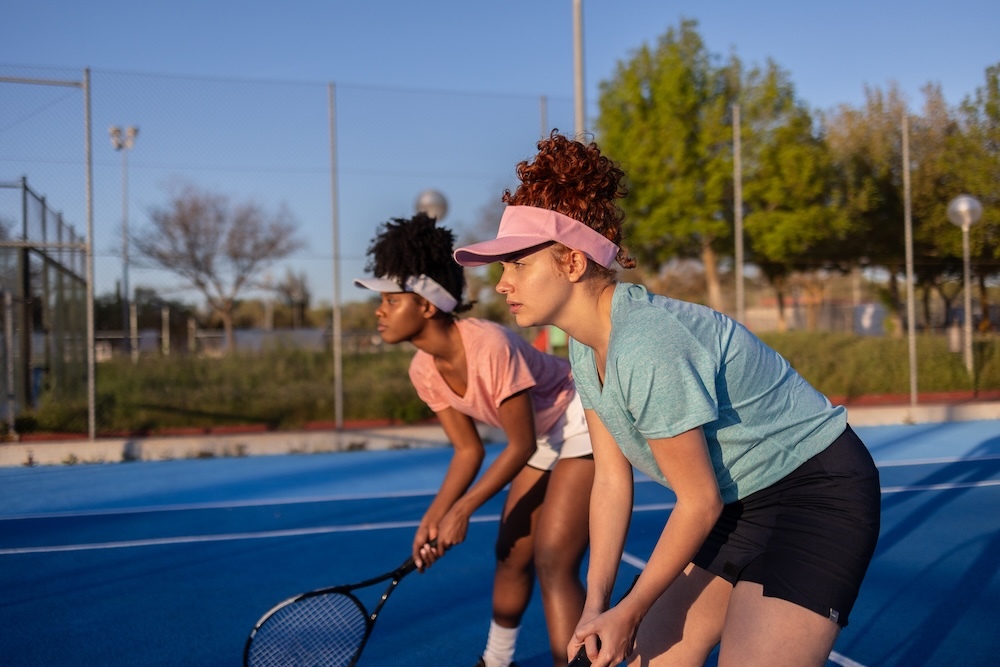
Starting tennis as an adult can be exciting, but it’s also normal to feel a little nervous before your first lesson. You may be unsure how to hold a racket, hit the ball, or keep a rally going. Fortunately, beginner lessons are designed to help you learn these skills one step at a time.
At Woodside, our beginner tennis lessons for adults focus on helping new players feel comfortable on the court. You don’t need previous experience or perfect technique to get started.
With the right clothing, basic equipment and a willingness to learn, you can approach your first lesson with confidence. Here’s what to expect and how to prepare for a positive introduction to tennis.
What To Expect In Your First Adult Tennis Lesson
Attending your first adult tennis lesson is an opportunity to learn the fundamentals in a supportive environment. Your first few sessions will likely focus on basic techniques, coordination and getting comfortable with the game rather than mastering every shot.
Warm-Up
A proper warm-up helps prepare your body for the movement involved in tennis. Arrive about 10 to 15 minutes early so you have time to check in and get comfortable before your lesson begins.
A short walk, light movement, or dynamic stretches can help you get ready for activity. Your instructor may also introduce simple footwork exercises to prepare you for moving around the court.
Grip And Stance
Your instructor will introduce the basics of holding a tennis racket, choosing an appropriate grip and positioning your body for different shots.
Beginners may start with an Eastern or semi-Western forehand grip, depending on the instructor’s teaching approach and the player’s comfort.
You’ll also learn how to maintain a balanced, athletic stance with your feet comfortably apart, knees slightly bent and weight ready to shift as you move toward the ball.
Forehand And Backhand Basics
Your first lessons will likely introduce the forehand and backhand, two fundamental groundstrokes used throughout a tennis match.
Your instructor will demonstrate how to prepare for each shot, make contact with the ball and follow through. You may also learn a two-handed backhand, which many beginners find helpful for control and stability.
The goal is to develop comfortable, repeatable movements rather than focusing on power.
Short Rallies
Learning tennis as an adult starts with building coordination and control. Instead of attempting powerful shots or competitive points, beginners often practice short rallies at a slower pace.
Your instructor may have you exchange balls from closer to the net before gradually increasing the distance. These exercises help develop timing, consistency and confidence while keeping the ball in play.
What To Wear And Bring
Wearing appropriate athletic clothing and bringing a few essentials can make your first lesson more comfortable. If you’re wondering what to wear to a tennis lesson, focus on clothing and equipment that support movement, comfort and safety.
Tennis Shoes
Choose tennis shoes with good lateral support and soles appropriate for the court surface. Tennis involves frequent side-to-side movements, quick stops and changes in direction, so footwear designed for these movements is preferable to standard running shoes.
Check whether the facility has specific footwear requirements, such as non-marking soles.
Comfortable Clothing
Wear breathable athletic clothing that allows you to move freely. Moisture-wicking fabrics can help keep you comfortable during practice, particularly in warm weather or during more active drills.
Choose clothing that won’t restrict your movement when running, reaching, or swinging the racket.
A Beginner-Friendly Racket
A comfortable racket can make learning tennis easier. Many adult beginners benefit from a racket with a relatively generous head size and a manageable weight.
Rackets with head sizes around 100 to 110 square inches are common beginner-friendly options, but the best choice depends on your strength, comfort and playing style.
If you don’t already own a racket, ask your instructor whether equipment is available to borrow or whether they can recommend an appropriate model.
Hydration And Sun Protection
Bring water to stay hydrated during your lesson. If you’ll be playing outdoors, sunscreen, sunglasses and a hat or visor can also help protect you from the sun.
Consider the weather and expected lesson length when deciding what else to bring.
Getting Your Body And Mindset Ready
You don’t need previous tennis experience or exceptional fitness to begin learning. Tennis can be both enjoyable and challenging and it’s normal to need time to develop new skills.
Preparing physically and approaching each lesson with realistic expectations can help you feel more comfortable as you learn.
Injury Awareness
Beginner tennis lessons may involve movements your body isn’t accustomed to, including lateral steps, quick stops and repeated swings.
Let your instructor know about any injuries, physical limitations, or concerns before the lesson begins. They can help you adjust activities and progress at an appropriate pace.
One issue tennis players may experience is tennis elbow, which involves irritation of the tendons around the outside of the elbow. Gripping the racket too tightly or repeatedly using inefficient swing mechanics may contribute to discomfort.
Focus on comfortable technique, avoid forcing powerful shots and tell your instructor if a movement causes pain.
Dealing With Nerves
Feeling nervous before your first adult tennis lesson is completely normal. Remember that beginner lessons are designed for people who are still learning how to play.
Arriving a little early can give you time to settle in, meet your instructor and become familiar with the court.
Don’t worry about missing shots or making mistakes. They’re a natural part of learning a new sport.
Realistic Expectations
You aren’t expected to remember every instruction or perform every movement correctly during your first lesson.
Focus on learning one skill at a time, listening to feedback and becoming more comfortable with the racket and ball.
Early progress might mean making cleaner contact, improving your footwork, or keeping a short rally going. These small improvements are important steps toward becoming a more confident player.
Making The Most Of Your First Few Weeks
Tennis is a sport you can continue enjoying for years. Developing your skills takes practice, patience and a willingness to learn from mistakes.
After your first adult tennis lesson, focus on building consistent habits rather than trying to improve as quickly as possible.
Practice Habits
Your instructor can introduce techniques and provide feedback, but practicing between lessons can help reinforce what you’ve learned.
Here are a few useful habits:
- Focus on consistency: Practice keeping the ball in play rather than trying to hit powerful winners.
- Pay attention to footwork: Work on moving into position early and maintaining balance as you prepare for each shot.
- Practice regularly: Short practice sessions between lessons can help reinforce new skills. Ask questions, use your instructor’s feedback and enjoy the learning process.
How Often To Play
For many adult beginners, one to three tennis sessions per week can provide opportunities to practice while allowing time for rest and recovery.
The right frequency depends on your fitness level, schedule and how your body responds to activity. If you’re new to exercise or experiencing soreness, start gradually and increase your playing time as you become more comfortable.
Consistency matters more than trying to fit in as many sessions as possible.
Creating A Long-Term Tennis Learning Plan
Learning tennis is a gradual process and progress varies from person to person. Instead of setting strict deadlines for reaching a particular skill rating, focus on achievable milestones.
During your first few months, concentrate on learning proper grips, basic groundstrokes, serving fundamentals, footwork and scoring. Practice short rallies and begin developing confidence with different shots.
As your skills improve, work toward sustaining longer rallies, serving more consistently and playing practice points or recreational games.
Over time, you can introduce additional techniques such as volleys, net play and strategic shot placement.
Your instructor can help you assess your progress and determine when you’re ready for more advanced instruction or competitive play.
Remember that steady improvement is more important than reaching a particular level within a set timeframe.
FAQ
- Is it too late to start learning tennis as an adult?
No. Adults can begin learning tennis at almost any age, provided they’re able to participate safely in physical activity. Working with a qualified instructor can help you develop sound fundamentals, build confidence and progress at a comfortable pace.
- Are private or group tennis lessons better for adult beginners?
Both private and group tennis lessons can be effective for beginners.
Group lessons are often more affordable and provide opportunities to practice with other players in a social setting. Private lessons offer more individualized instruction and allow the coach to focus on your specific technique and goals.
The best choice depends on your budget, preferences and learning style.
- How many tennis lessons does an adult beginner need?
There’s no set number of lessons required to learn tennis. A series of six to ten beginner lessons can provide a useful introduction to basic grips, groundstrokes, serving and scoring, but most players benefit from continued instruction and practice.
Your progress will depend on factors such as lesson frequency, practice time and previous athletic experience.
- How long does it take for an adult beginner to learn tennis?
Many beginners can start practicing basic rallies and learning the rules within their first several lessons. Becoming comfortable playing recreational matches may take several months or longer, depending on practice frequency and individual progress.
Your instructor can help you set realistic goals as your skills develop.
- Can I learn tennis if I have never played a sport before?
Yes. You don’t need previous athletic experience to begin learning tennis. Beginner lessons introduce the fundamentals gradually, helping new players develop coordination, technique and confidence over time.
- How do I find a qualified tennis instructor for adult beginners?
Look for instructors with experience teaching adult beginners and recognized professional credentials.
At Woodside, our USPTA-certified teaching professionals offer year-round indoor and outdoor tennis clinics for a range of skill and fitness levels.
Woodside – Learn Tennis From USPTA-Certified Professionals
At Woodside, we understand that starting tennis as an adult can feel intimidating. From choosing a racket to learning your first strokes, there’s a lot to take in. Our instructors help beginners develop the fundamentals in a welcoming, supportive environment.
Whether you’re learning tennis for fun, looking for a new way to stay active, or hoping to develop your skills, Woodside offers year-round indoor and outdoor clinics for a variety of experience levels.
Connect with us today to explore our adult tennis programs and find a clinic that matches your experience level and goals.